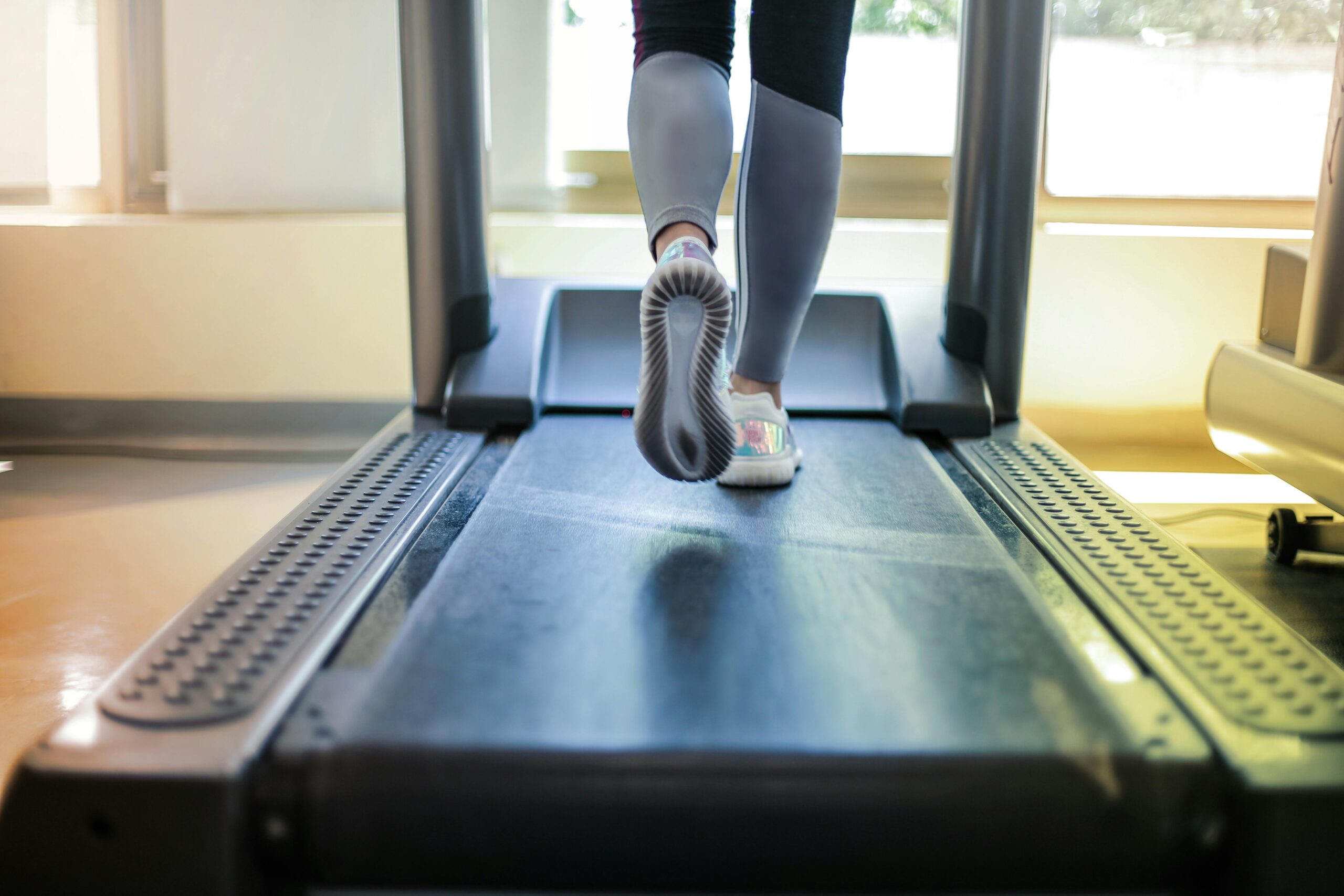
Is your New Year’s resolution to move your body more already starting to slip? If so, you’re not alone.
Many people begin the year committed to moving more, only to find that motivation fades and busy schedules, fatigue, or life’s demands push movement to the bottom of the list. Motivation can spark the desire to exercise, but it rarely sustains it. It fluctuates with energy levels, stress, sleep, weather, and mood. If movement only happens when you “feel like it,” consistency will fall short of moving you toward your goals.
The good news is that long-term success doesn’t depend on motivation – it depends on purposeful action. Not random action, but intentional daily practices that systematically build the skills required to achieve your goals. In this post, you’ll learn which small, consistent actions – taken even when motivation is low – can gradually move you closer to sustainable movement and better health.
Why Movement Matters
Regular movement helps preserve and build muscle strength, maintain joint function, and support balance and coordination while also improving metabolic health, mood, and energy. There are three basic types of movement—strength, flexibility, and cardiovascular exercise – and all are vital for optimal health. Strength and flexibility work together – strong muscles that move through a full range of motion better support everyday movement and reduce strain on joints and connective tissues. Regular cardiovascular activity supports heart health, boosts stamina, and enhances blood flow – delivering nutrients and oxygen throughout the body.
Movement supports weight loss for more than just calorie burn. It helps preserve lean muscle, improve insulin sensitivity, and support metabolic health—allowing the body to regulate blood sugar more effectively and maintain a healthy resting metabolic rate. Movement also supports appetite control, stress reduction, and sleep, all of which influence weight over time. While nutrition remains the primary driver of weight change, movement makes weight loss more sustainable and protects overall health. A helpful reminder: avoid viewing exercise as a reason to “earn” extra calories. The calories burned during movement are often fewer than expected, and consistently eating more in response can undermine the calorie deficit needed for weight loss.
Movement is also essential for long-term functional health – the ability to perform everyday tasks like walking comfortably, climbing stairs, getting up from the floor, and carrying groceries with strength and confidence. With aging, natural changes occur, including loss of muscle mass, reduced flexibility and joint mobility, decreased balance, and slower recovery. Without regular movement, these changes accelerate, increasing the risk of injury, chronic pain, falls, and loss of independence.
How Much Movement Is Recommended?
General guidelines for adults recommend a combination of movement types:
- Cardiovascular activity:
At least 150 minutes per week of moderate-intensity activity (such as brisk walking), or 75 minutes per week of vigorous activity, or a combination of both. - Strength training:
At least two days per week, targeting all major muscle groups, including the legs (quadriceps, hamstrings, glutes, calves), hips, core (abdominals and lower back), chest, back, shoulders, and arms (biceps and triceps). - Flexibility and mobility:
Regular stretching or mobility work to maintain joint range of motion and movement quality – targeting the joints and tissues most involved in daily movement—ankles, hips, spine, shoulders, and neck
These recommendations are not about meeting an ideal standard. They exist to support optimal function, independence, and quality of life. With that said, don’t get discouraged by the recommendations. It’s helpful to know what is optimal, but it’s more important to move your body consistently – incorporating all three types of movement.
Rather than striving for perfect programs or intense workouts, focus on consistent movement and building foundational skills through daily action. Here’s how that looks in practice.
Below are two foundational movement skills with associated practices that support better health:
- Move Often
- Create and maintain bare minimums
- Spend more time moving
- Support your movement routine
- Move Well
- Focus on form
- Know why you are moving
- Recover well
- Play
Each skill is developed through specific practices, and each practice becomes actionable through small daily actions. Use the table below to connect each skill – building practice with simple daily action ideas.
| Movement Skill | Practice | Action Ideas |
|---|---|---|
| Move often | Create and maintain bare minimums | Define your movement minimum goal and find the smallest version of your workout/activity and do that consistently (e.g., here’s a bare minimum idea which incorporates strength, flexibility, and cardiovascular – a 10 minute total body strength workout two days per week, paired with 5 minutes of stretching morning and evening, and 20 minutes of walking daily). Journal your activity – did you hit your bare minimum today? This week? If yes, was it enough for you and how do you feel? |
| Spend more time moving | Take a 3-minute break from work every hour to move. Add a 10 minute walk after one meal per day. Replace 10 minutes of scrolling with stretching or an efficient total body strength routine. | |
| Support your movement routine | Purchase some helpful home gym equipment such as a yoga mat, vibration plate, kettle bells, dumb bells, or resistance bands. Create a designated space within your home to exercise and consider installing a mirror to monitor proper form. Purchase rowing gloves if you are going to row, comfortable walking shoes if you are going to walk. | |
| Move well | Focus on form | Be aware of what proper form is for each exercise and then monitor yourself for proper form. Be aware of exercise recommendations for optimal health and work towards them over time. |
| Know why you are moving | Clearly define your purpose for exercise such as strength, flexibility, cardiovascular. Identify how the movements you practice engage specific muscle groups. | |
| Recover well | Add active recovery days as needed. Strive for 7-9 hours of sleep per night. Add an additional recovery element if needed such as soaking in a tub or using a foam roller. | |
| Play | Do a physical activity you enjoy. Try a new physical activity. |
Putting It All Together
Take a moment to reflect on where you currently are and where improvement is needed. Like the nutrition skills covered in Part 1 of this series, movement skills are relatively stackable. For example, it is more important to focus on moving often than to know which muscles are being exercised. Each skill includes practices that strengthen it. Choose one skill and one practice to focus on, then select one daily action and commit to it for two weeks—not perfectly, just consistently. Then evaluate how it’s going and make adjustments, if needed.
Once a practice feels manageable and consistent, add another. Over time, these small actions compound into meaningful, sustainable change. Progress doesn’t come from pushing harder. It comes from practicing the right skills, day by day. Your body is designed to move. You will feel healthier and your goals are a step closer with each passing day.
Stay tuned for Part 3 of this series: Stress & Sleep.


Leave a Reply